Service Capabilities

The Functions Behind Backenyre

Backenyre operates through a set of defined functions. Each function corresponds to a specific way the service handles, presents, or processes information on behalf of the user. This page describes each function and explains how it contributes to the overall service experience.

Information Classification

Backenyre sorts all available content into a structured classification framework. This framework defines the categories into which information is grouped, the relationships between those categories, and the rules that determine where each item of content is placed.

The classification function means that users never encounter unorganised or arbitrarily presented information. Every item within the service has a designated position within the framework, and that position determines how it is surfaced during navigation.
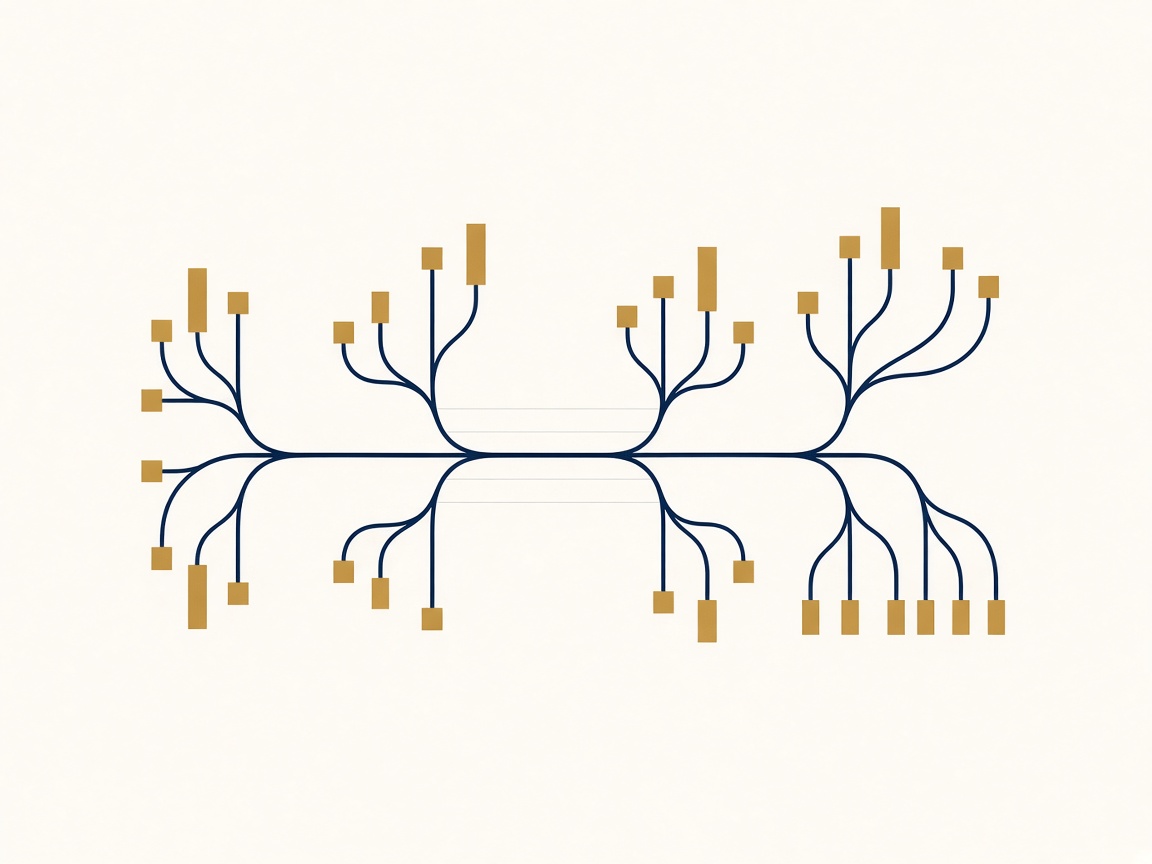

Branching classification diagram showing how Backenyre organises information into structured categories

Structured Review Layer

Before users submit an enquiry or act on information they have found, Backenyre presents a review layer. This layer summarises the relevant content the user has navigated through and highlights the points most directly applicable to their situation.

The review layer is not an automated decision or an assessment. It is a presentation tool — designed to ensure that users have seen and understood the information available to them before proceeding. This distinction is important: Backenyre organises and presents information; it does not make determinations on behalf of users.

Structured panel layout representing the review layer within the Backenyre service

Guided Navigation

Moving through Backenyre is not a matter of open-ended browsing. The service uses a guided navigation model in which each section leads purposefully to the next. Users are shown the structure of the service at each stage, so they can orient themselves and understand which areas they have already reviewed.

Guided navigation reduces the likelihood of users missing information that is relevant to their enquiry. It also ensures that the enquiry submitted at the end of the process is based on a thorough review of the available content rather than a partial one.

Network diagram illustrating the guided navigation structure of Backenyre

Enquiry Handling and Routing

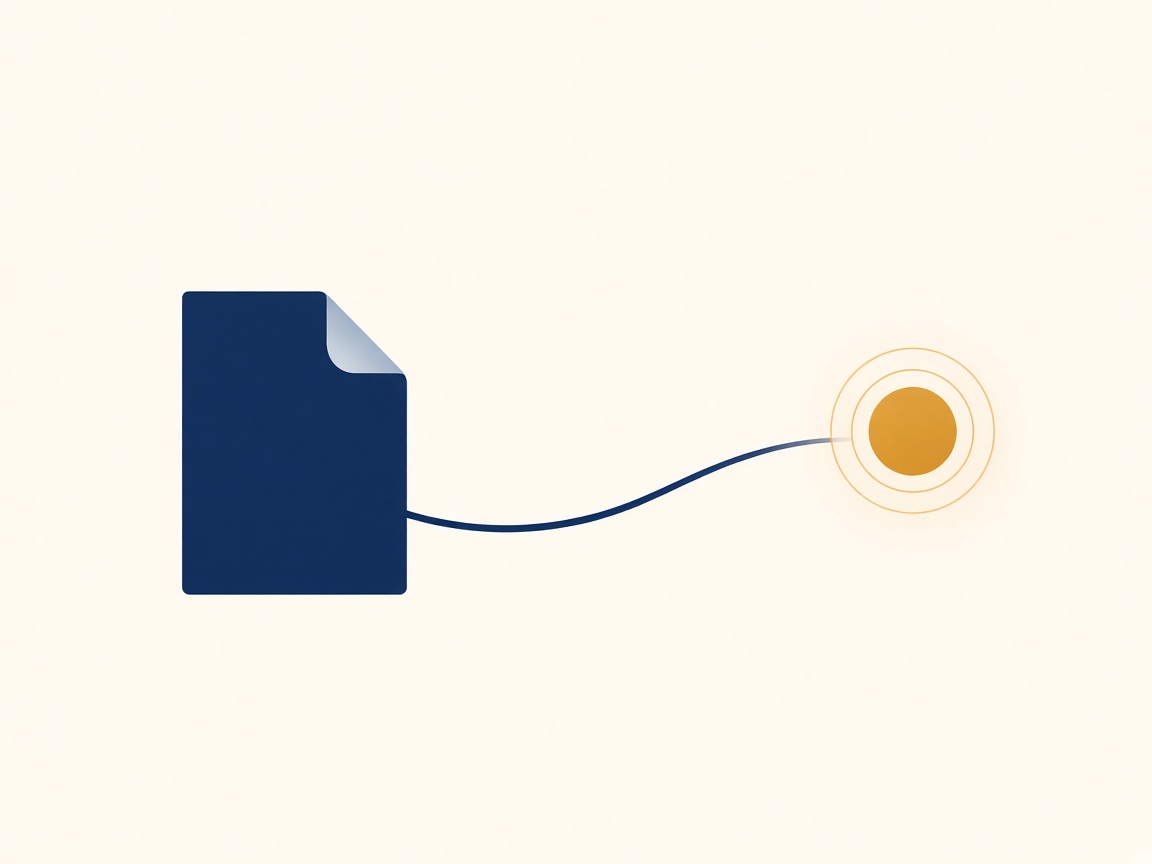
When a user submits an enquiry through Backenyre, the service routes it to the appropriate part of the support team based on the type of request indicated in the form. Enquiry types are defined by the service and correspond to the categories available within the information structure.

The support team reviews each enquiry and responds with a relevant reply. Response times are not defined in advance; the team aims to handle enquiries in a reasonable period and may request additional clarification where necessary. No particular outcome is implied by the act of submitting an enquiry.

Abstract image representing an enquiry being routed to the Backenyre support team

How a Typical Interaction Unfolds

  1. Locate a Category

    The user arrives at Backenyre and selects the category of information most relevant to their situation from the structured navigation.

  2. Review the Content

    The user reads through the organised content within the selected category. Backenyre presents this content in a consistent, readable format.

  3. Complete the Review Layer

    Before submitting, the user completes the review layer — confirming that the information reviewed is applicable and that they understand its scope.

  4. Submit an Enquiry

    The user submits a formal enquiry through the contact page. The team reviews it and responds with the appropriate next steps or further information.

Have You Reviewed the Available Information?

If you have read through the service functions and would like to proceed, the next step is to submit a formal enquiry or review the system overview for additional context.